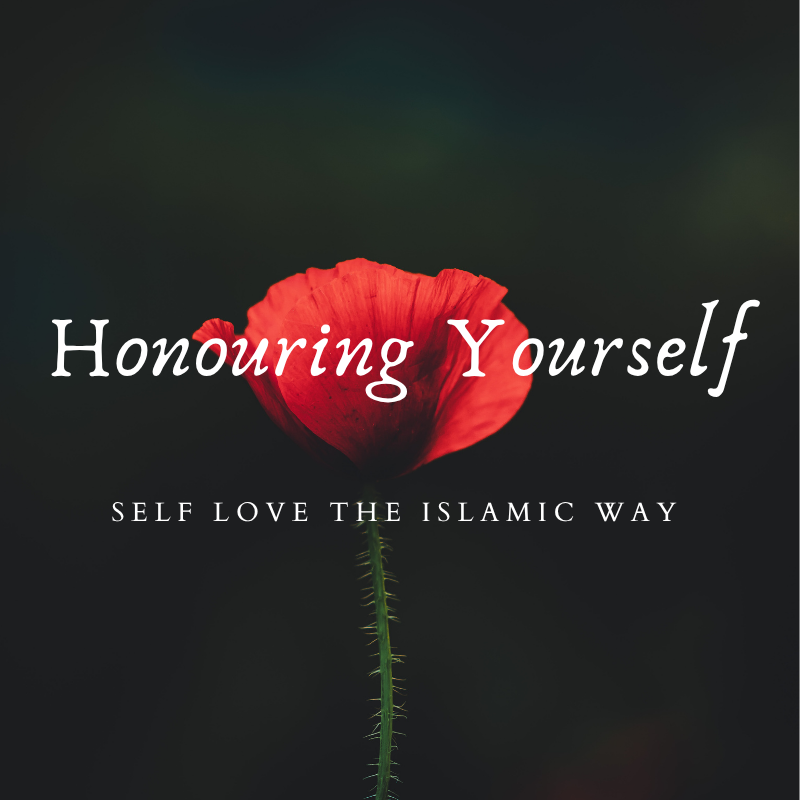
Self-Honouring: What Self-Love Looks Like in Islam
The devil wants you to despise what Allah has honoured. He wants you to see yourself as worthless, inadequate and beyond redemption. But Allah says, “We have certainly honoured the Children of Adam.” So what happens when a Muslim stops treating self-loathing as humility?
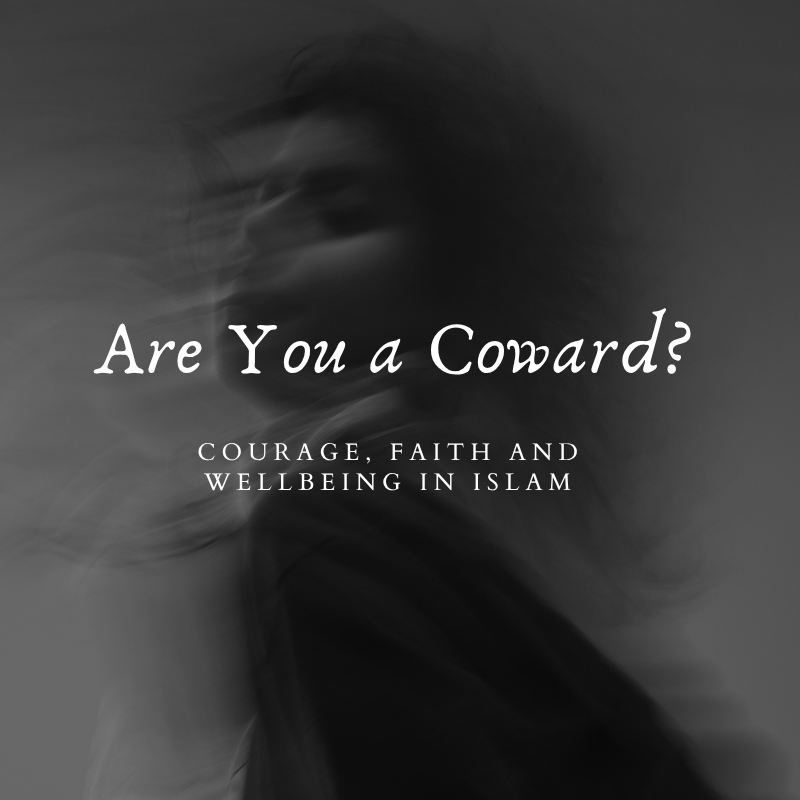
Are You a Coward? Courage, faith and Wellbeing in Islam
What if your fear of people, rejection, failure or losing what you have has become greater than your fear of Allah? In Islam, courage is not the absence of fear. It is the ability to act despite it, because your trust in Allah is greater. But courage without faith is not necessarily courage at all. Iblis was defiant, but he was not courageous. His strength was directed by his ego rather than submission to God. So what are you fighting for, who are you fighting for, and who are you fighting for the sake of?
The Other Speech: The Power of Inner Speech in Islam
Explore the Islamic understanding of inner speech, self-talk, the heart, tawakkul and spiritual wellbeing, and how the words we say within ourselves shape intention, action and faith.
When What You Love Becomes Your Test: The Spiritual Anatomy of Letting Go
Some tests do not ask whether you love.
They ask whether you love in the right order.
There are gifts that enter our lives so quietly that we forget they were entrusted rather than possessed. We begin to cling to them, to measure our peace by their presence, until the blessing grows so large in our sight that the Giver fades into the background. The story of Ibrahim (AS) invites us to confront a question every heart must one day answer.

From Moral Man to Psychological Man: How Psychology Reframed the Human
Modern psychology has profoundly shaped how we understand ourselves. We explain our emotions through trauma, our behaviours through conditioning, and our struggles through mental health. But is this the only way to understand what it means to be human? This article explores how psychology reframed the human person, contrasts it with the Islamic understanding of the soul, and asks whether Muslims have unknowingly adopted a worldview that leaves little room for God.
An Islamic Reflection on Kafka's Metamorphosis: The Human Longing for Unconditional Love
An Islamic Reflection on Kafka's Metamorphosis: The Human Longing for Unconditional Love.

New wave spirituality, what’s God got to do with it?
The capitalist modernist undertone is most glaringly obvious in its selling point - ‘no God’.As in true secular capitalist fashion, ‘the self’ has taken on that role. The self is in charge, it decides which parts of spiritual philosophy are followed and when, it decides what is right and wrong and so in essence it is what is being worshipped; it has taken on the role of God. Since people turn to spirituality to gain a sense of self-worth and acceptance, the capitalist narrative plays on this emotion by placing the gratification and exploration of the self as a core concept.